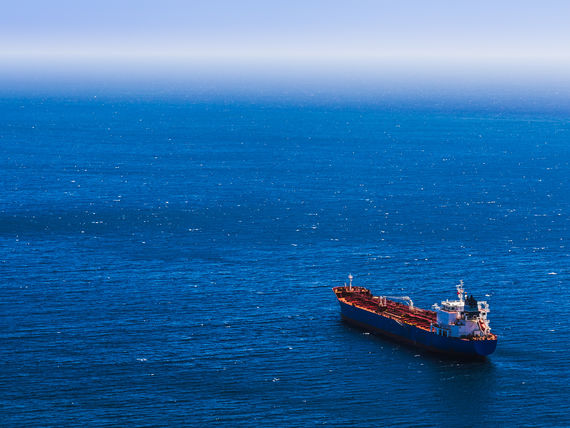
Iran’s grip on the Strait of Hormuz has jolted the world economy, causing a spike in fuel prices that has rippled through other sectors with effects far beyond the Middle East. It has also left tens of thousands of mariners and hundreds of ships stranded in the Persian Gulf.
Iran effectively seized control of the critical waterway after the U.S. and Israel attacked it on Feb. 28. Weeks of heavy bombing and a U.S. naval blockade imposed last month have yet to loosen its grip. Iran says it will only reopen the strait if the war ends and the blockade is lifted. U.S. President Donald Trump is seeking wider concessions, including the rollback of Iran’s disputed nuclear program.
Here is a look at the strait by the numbers:
21 miles (34 kilometers)
This is the width of the strait, which bends like an elbow, at its narrowest point between Iran and Oman. Ships follow narrow lanes to safely navigate the shallow water, making it even more of a chokepoint.
20%
Before the war, a fifth of the world’s traded oil typically flowed through the strait every day, as well as large supplies of natural gas, fertilizer and other petroleum products.